

fabtoit Logo Fabtoit Contact Us
Contact Us

Planning Your Seal Watching Visit: Tips for Comfort

What to bring, when to visit, how long to stay, and how to make your experience comfortable and enjoyable at any of the Kerry locations.

8 min read / All Levels / July 2026
Older adults sitting peacefully at a coastal viewing bench, enjoying the scenery and watching seals in the distance
Kenmare Editorial Team

Author

Kenmare Editorial Team

Written by the Kenmare Editorial Team, focused on practical, accessible guidance for nature rest and wildlife watching in Kerry.

Getting Ready: What You'll Actually Need

The difference between a miserable visit and a memorable one often comes down to preparation. You're heading out to watch wildlife in a coastal environment, which means weather changes fast and comfort matters more than you'd think.

Start with layers. Even in summer, the breeze off the water keeps things cool, and you'll want to shed a jumper if the sun warms up or pull it back on when clouds roll in. A lightweight waterproof jacket is essential — not for heavy rain necessarily, but for the occasional sea spray and sudden showers that Kerry's known for. Pack one that packs down small.

Bring proper footwear. Trainers or walking shoes with good grip matter more than you'd think, especially at Kenmare Pier where surfaces can be slick. The paths to viewing spots aren't always even, and you don't want to spend the whole visit worrying about your footing. Leave the flip-flops at home.

Essential Kit

  • Waterproof jacket (packable)
  • Warm layers (fleece or jumper)
  • Sturdy walking shoes
  • Sunscreen and hat
  • Binoculars (if you have them)
  • Snacks and water
  • Fully charged phone
  • Warm socks

Sunscreen gets overlooked, but the water reflects the sun's rays and you'll catch more UV exposure than you expect. A hat protects your face and helps with glare when you're looking out at the bay. Sunglasses are useful too, though you'll want to remove them occasionally to spot seals — the detail matters when you're trying to see the difference between a seal and a rock from 50 metres away.
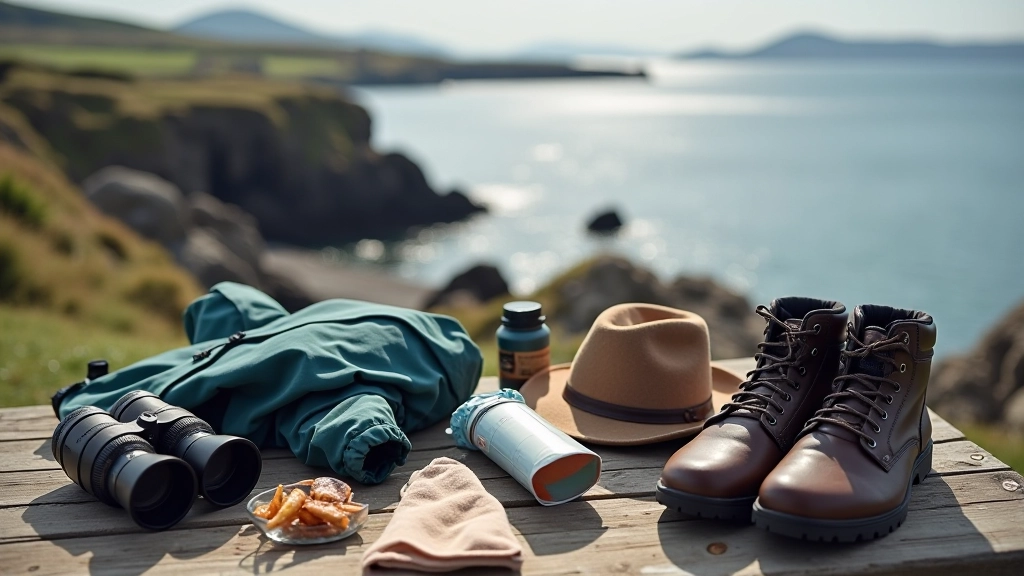
Waterproof jacket, binoculars, and snacks arranged on a wooden table with a coastal view in the background
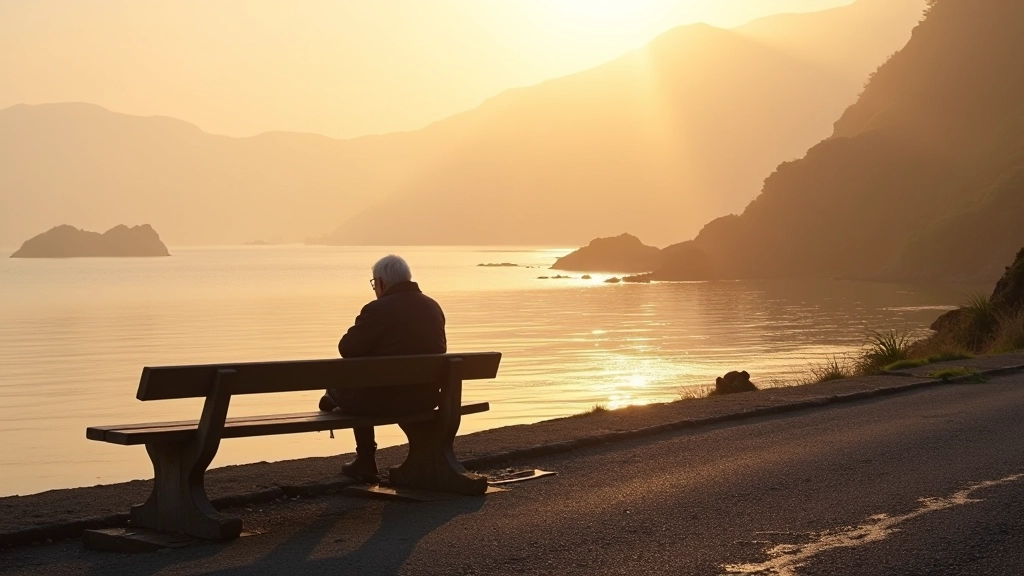
Misty coastal morning with golden light reflecting on calm water and seals visible on rocks

Timing: When to Go and How Long to Stay

You'll have the best experience if you're strategic about when you visit. Early morning, around 7 to 9 AM, is genuinely your sweet spot. The seals are more active, the water's usually calmer, and you've got fewer tourists around. The light's also better for photography if that's something you care about.

Tide timing matters too. Seals haul out onto rocks when the tide's low or medium — they need easy access to their rest spots. If the tide's high, you might see seals in the water but not as many lounging around. Check tide tables before you go. It takes two minutes and makes a real difference.

Plan for at least 60 to 90 minutes. The first 20 minutes you're settling in, looking around, getting your bearings. The next 40 to 60 minutes is when you'll see actual behaviour — seals moving between rocks, young ones playing, adults yawning and stretching. If you rush through in 20 minutes, you'll miss the good bits.

Late afternoon works too, especially in summer when the sun doesn't set until 9 or 10 PM. The light's softer and there's often a second period of activity as seals prepare for evening. Just bring a torch if you're staying near sunset.

Related Reading

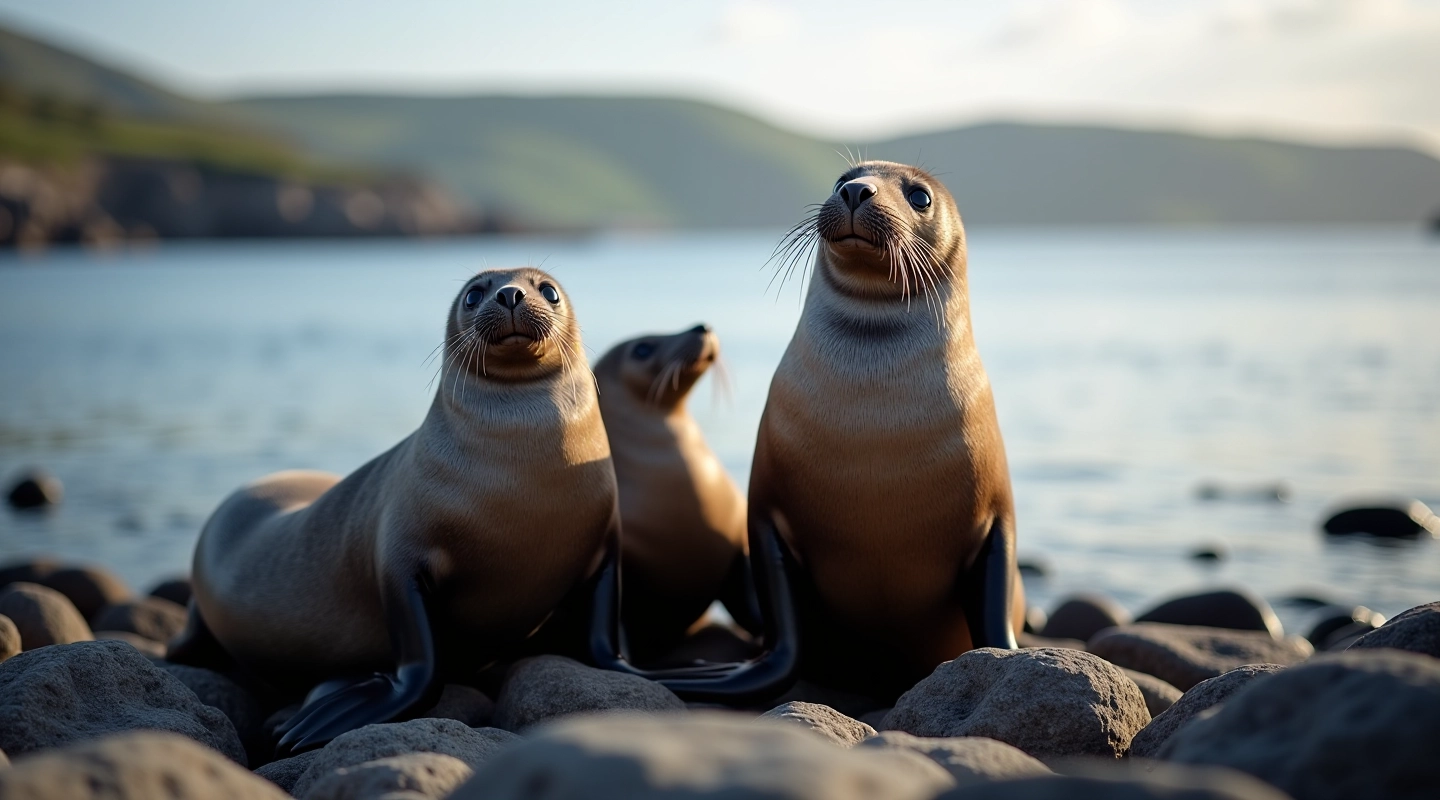
Harbor seals resting and lounging on rocky shoreline, some in water, natural behavior captured

Understanding Harbor Seals at Kenmare Pier

Learn to identify seals by their behavior, where they rest, and why they're most active at certain times of day.

Read More
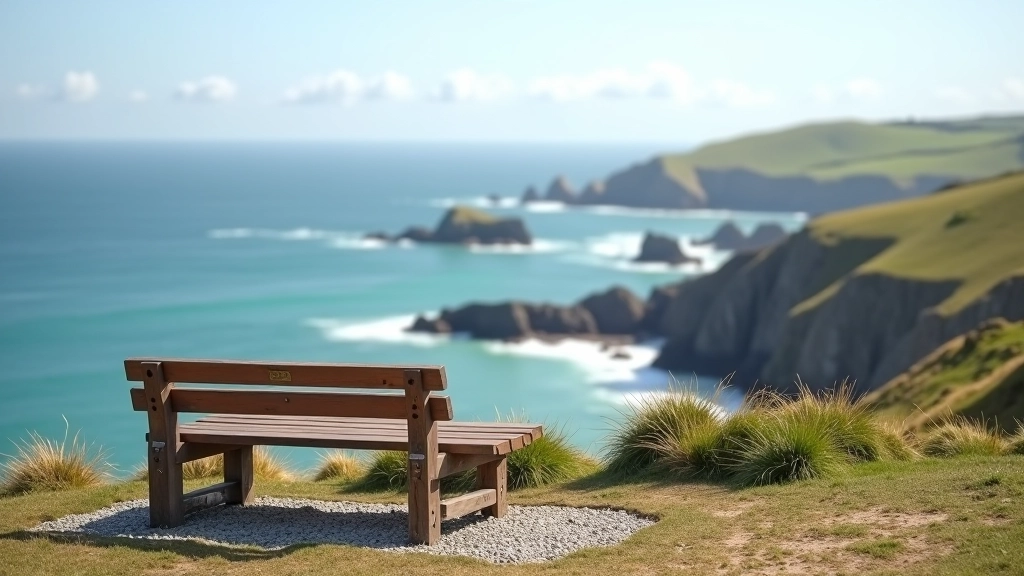
Wooden viewing benches positioned on coastal cliffs overlooking the bay, accessible seating areas

Rest Stops & Bench Locations for Seniors

Complete guide to designated seating areas, accessible parking, and facilities at each location.

Read More
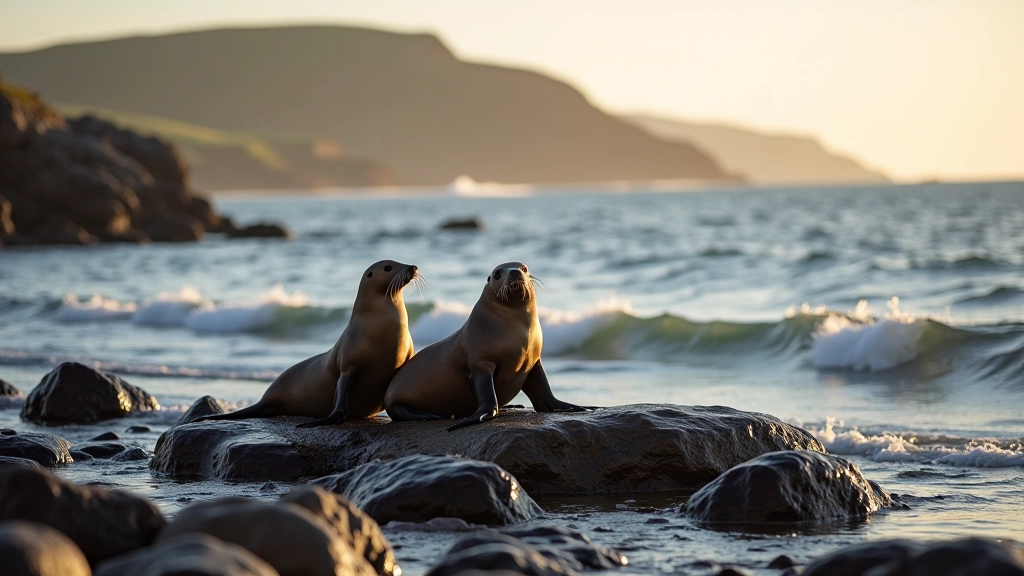
Garnish Bay at low tide showing accessible sealing viewing areas, rocky shores, and calm waters

Garnish Bay: What to Expect & How to Get There

Practical details on accessing this quieter location, optimal viewing times, weather patterns, and what you'll see.

Read More

Making Yourself Comfortable: The Details That Matter

Comfort isn't luxury when you're outdoors — it's practical. A small cushion or folding seat makes sitting on cold stone bearable for 90 minutes. Yes, the benches at some locations are decent, but others are worn or exposed to wind. A thin camping cushion weighs almost nothing and changes everything.

Bring water. Not just a sip bottle — proper water. Dehydration creeps up on you outdoors, especially when you're focused on watching something. A 500ml bottle is minimum; a litre is better. Tea in a flask is lovely too if you're going early morning when it's chilly.

Pack snacks that travel well. Biscuits, a banana, nuts, a chocolate bar — things that don't need preparation and won't attract seagulls if you drop crumbs. The sea breeze works up an appetite, and having something to munch makes the experience feel less like a mission and more like a proper outing.

Your phone battery matters. You'll want it for photos, emergencies, and checking the time. Bring a portable charger if your phone's older or drains fast. Nothing's worse than watching amazing seal behaviour and realising your phone's dead at 23%.

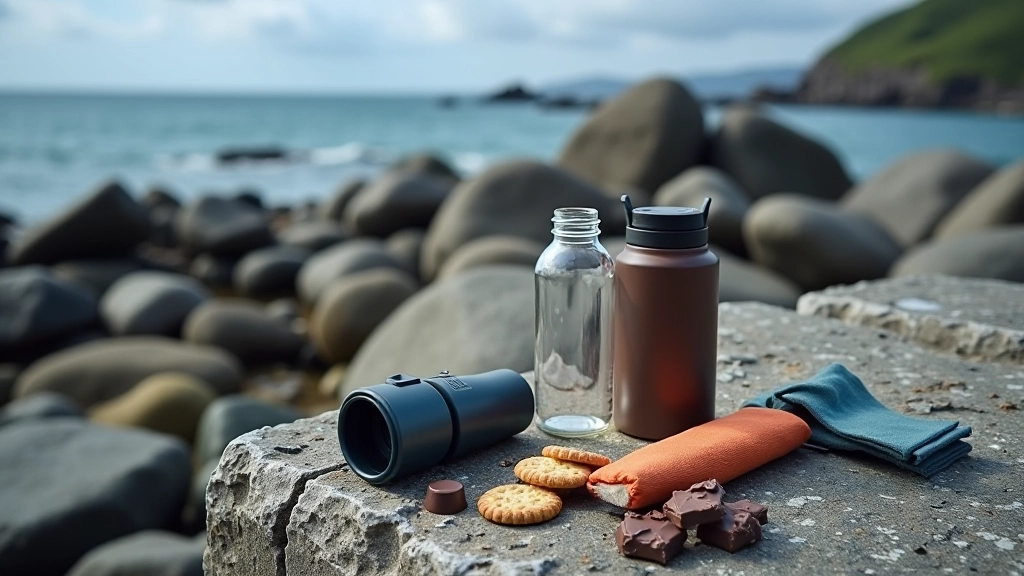
Thermos flask, snacks, water bottle, and binoculars arranged on a rocky coastal outcrop with ocean view

Disclaimer

This guide provides practical information for planning seal watching visits in Kerry. Conditions, accessibility, and wildlife behaviour can vary seasonally and weather-dependent. Always check current tide times, weather forecasts, and location access information before visiting. If you have mobility concerns or health conditions, consult with your doctor before undertaking coastal activities. The locations mentioned in this guide are natural environments — observe from a safe distance and respect wildlife. This information is educational and should not replace local advice or professional guidance specific to your circumstances.

Make It Count

Seal watching isn't complicated, but it does reward a bit of thought. The difference between a rushed, uncomfortable visit and one you'll actually remember comes down to these practical details: proper layers, the right timing, a water bottle, and a plan to sit comfortably for long enough to actually see something interesting.

You're heading out to a wild place to watch wild animals in their own habitat. It's worth doing properly. Spend 90 minutes instead of 30. Bring a cushion. Check the tide. Wear proper shoes. You'll see more, you'll feel better, and you'll come back wanting to do it again.

The seals don't rush. Neither should you.